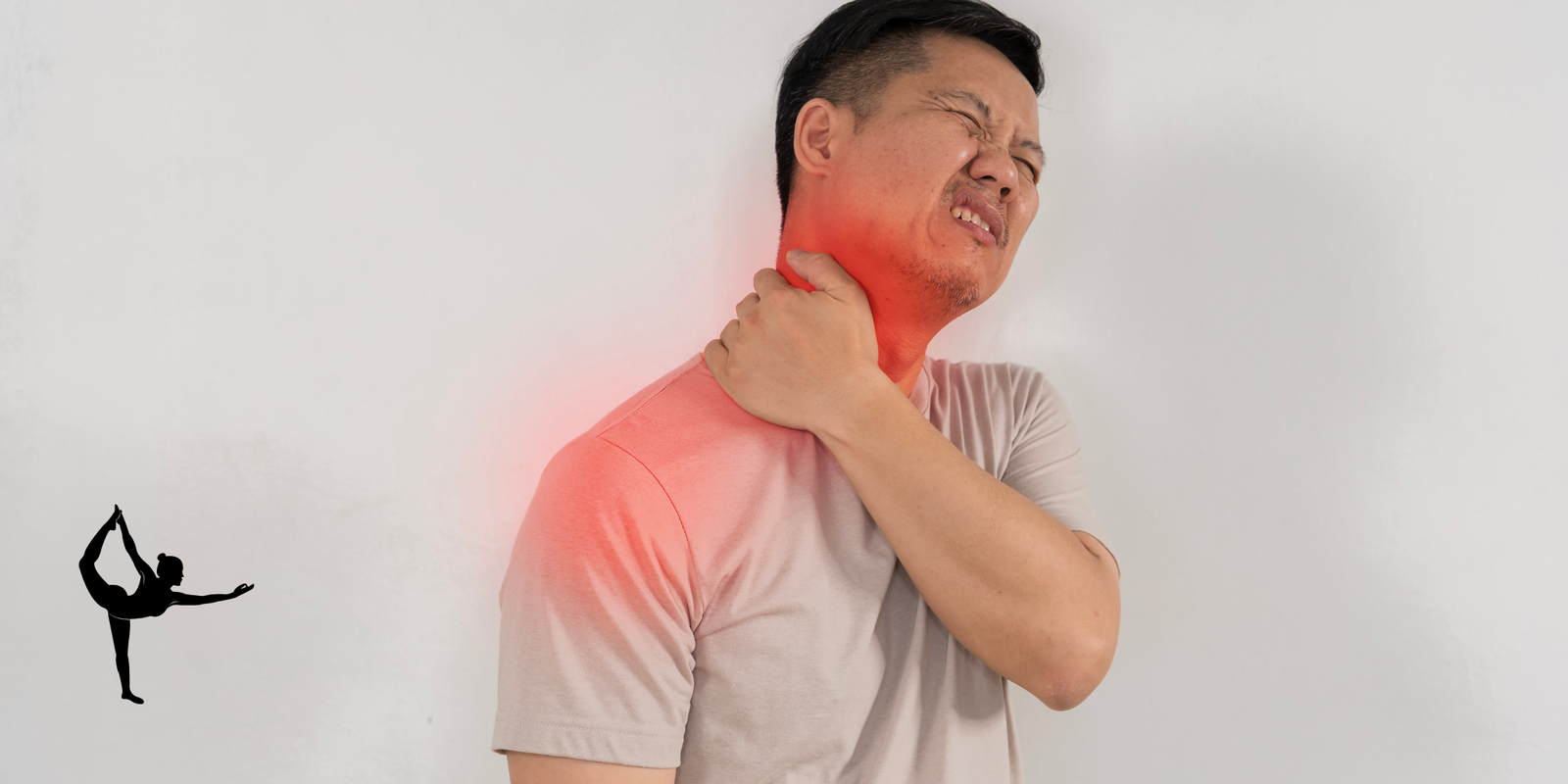
In Ayurvedic practice, chronic neck and back pain are frequently correlated with conditions like Greeva Shula (neck pain) and Kati Shula (lower back pain), which are primarily driven by an aggravation of Vata dosha. Modern sedentary lifestyles, prolonged hours hunched over screens, poor posture, and stress all contribute to this doshic imbalance, creating stagnation, stiffness, and severe discomfort along the spinal column.
While targeted Ayurvedic therapies—such as Kati Basti (oil pooling on the lower back), Greeva Basti, and herbal formulations—offer profound and necessary relief, incorporating physical movement is crucial for long-term healing. Yoga gently decompress the spine, builds strength in the supporting muscles, and improves flexibility, helping to prevent future flare-ups and degeneration.
Here are 5 highly effective yoga asanas (postures) to naturally relieve tension and manage neck and back pain.
1. Marjaryasana-Bitilasana (Cat-Cow Pose)
-
Why it helps: This dynamic, flowing movement creates a gentle massage for the entire spine. It increases flexibility, releases trapped tension in the neck and shoulders, and improves blood circulation to the cervical region, which helps lubricate the spinal discs and reduce stiffness.
-
How to practice: Start on your hands and knees in a tabletop position, with your wrists directly under your shoulders and knees under your hips. Inhale as you drop your belly toward the floor, lift your chest, and look up toward the ceiling (Cow Pose). Exhale as you draw your belly to your spine and round your back toward the ceiling, gently tucking your chin toward your chest (Cat Pose). Repeat this flow slowly for 5-10 breaths.
2. Bhujangasana (Cobra Pose)
-
Why it helps: This gentle backbend is one of the most effective postures for strengthening the cervical spine and the upper back muscles. It actively reverses the forward-slouching posture that often causes neck pain, opening the chest and relieving tension in the cervical and thoracic regions. It also stimulates the lower back, building essential core support.
-
How to practice: Lie on your stomach with your legs together and toes pointing backward. Place your palms on the floor directly under your shoulders. Inhale deeply and gently raise your head, chest, and upper abdomen, keeping your navel on the floor. Look slightly upward, stretching the neck softly without throwing the head back violently. Hold for a few breaths and exhale as you slowly lower down.
3. Balasana (Child’s Pose)
-
Why it helps: A deeply restorative pose that increases circulation to the lower body while gently compressing the abdomen to aid digestion. It provides a profound, passive stretch to the entire back, particularly elongating the lumbar spine and relieving lower back tightness. It also reduces stress, which is intimately tied to gut health and muscle tension.
-
How to practice: Kneel on the floor, bring your big toes together, and separate your knees. Exhale and lay your torso down between your thighs, extending your arms forward or resting them alongside your body. Rest your forehead on the mat and breathe deeply into your lower back.
4. Setu Bandhasana (Bridge Pose)
-
Why it helps: Bridge pose is excellent for strengthening the extensor muscles of the back, the glutes, and the hamstrings. By actively engaging the lower body to lift the pelvis, it takes the pressure off the lumbar spine while simultaneously stretching the neck, chest, and hip flexors that often become tight from prolonged sitting.
-
How to practice: Lie on your back with your knees bent and feet flat on the floor, hip-width apart. Keep your arms resting alongside your body with your palms facing down. Inhale, press firmly into your feet, and lift your hips and lower back off the floor. Keep your neck neutral and avoid looking side to side. Hold for a few breaths, then exhale and slowly roll your spine back down to the mat.
5. Salabhasana (Locust Pose)
-
Why it helps: This is a powerful asana for building posterior chain strength. It actively engages and strengthens the entire back, from the neck and shoulders down to the lower back and legs. Strengthening these muscles provides better support for the spinal column, reducing the frequency of back pain.
-
How to practice: Lie on your stomach with your arms resting beside your body, palms facing down. Inhale and simultaneously lift your head, chest, arms, and legs off the floor. Keep your gaze slightly forward to avoid straining your neck, and balance your weight on your lower abdomen and pelvis. Hold for a few seconds before exhaling to release.
Important Precautions
In severe cases of cervical spondylitis or during acute pain flare-ups, extreme forward or backward bending of the neck should be avoided. Similarly, if you have a slipped disc or severe sciatica, avoid deep forward bends. Always consult an Ayurvedic physician or a certified yoga therapist before beginning a new routine.