In the modern era, chronic stress, anxiety, and physical burnout have become epidemics. From an Ayurvedic perspective, this constant state of “fight or flight” severely aggravates Vata dosha, leading to a depleted nervous system, insomnia, and the rapid drain of Ojas (essential vitality). While sleep offers temporary rest, it often fails to resolve deep-seated muscular and mental tension.
To achieve profound restoration, ancient traditions introduced Kayotsarg. Derived from the Sanskrit words Kaya (body) and Utsarg (giving up or abandonment), Kayotsarg translates directly to “the abandonment of the body.”
Unlike ordinary relaxation, Kayotsarg is a powerful meditation technique—prominent in Jain Preksha Meditation—where the practitioner consciously relaxes every muscle and voluntarily detaches their awareness from the physical form. By suspending voluntary physical movements and turning the awareness inward, the mind is freed from the burden of managing the physical body.
Here is a comprehensive guide to the steps and practical benefits of this transformative practice.
The 6 Steps of Practicing Kayotsarg
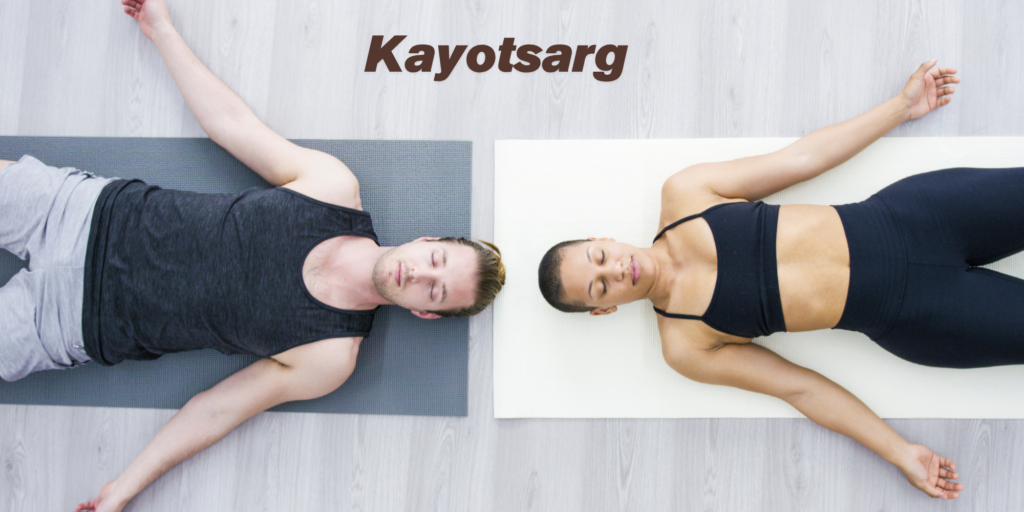
Kayotsarg requires complete stillness. It is typically practiced lying down in Shavasana (Corpse Pose), though advanced practitioners may perform it standing or sitting. For optimal relaxation, the supine (lying down) position is recommended.
1. Establishing the Posture Find a quiet, dimly lit space. Lie flat on your back on a comfortable yoga mat. Keep your legs slightly apart with your feet falling outward. Place your arms gently by your sides, palms facing upward. Close your eyes softly. Ensure your spine, neck, and head are in a straight, comfortable line.
2. The Sankalpa (Resolve of Stillness) Before beginning, make a firm mental resolve (Sankalpa) that you will not move your physical body for the duration of the practice. Physical stillness is the absolute prerequisite for mental stillness. Decide that even if you feel a minor itch or an urge to adjust, you will remain entirely motionless.
3. Deep, Rhythmic Breathing Shift your focus to your breath. Do not force it; simply observe the natural inhalation and exhalation. Gradually allow your breathing to become slow, deep, and rhythmic. Deep diaphragmatic breathing signals the parasympathetic nervous system to take over, immediately lowering your heart rate and calming your mind.
4. Conscious Auto-Suggestion and Body Scanning This is the core active phase of Kayotsarg. Direct your awareness to your right big toe. Mentally suggest to it, “Relax.” Feel the tension melting away. Slowly move your awareness up your body, part by part: the soles of the feet, ankles, calves, knees, thighs, and pelvis. Repeat this auto-suggestion for the abdomen, chest, back, shoulders, arms, hands, neck, and finally the facial muscles and the crown of the head.
5. Experiencing Detachment Once the entire body is relaxed, the physical form should feel incredibly light, almost weightless. At this stage, shift your awareness away from the physical muscles and organs. Visualize your body as a separate entity from your consciousness. You are merely the observer. This profound state of separation—where you are awake but entirely detached from physical sensations—is the true state of Kayotsarg.
6. Returning to Awareness Do not rush out of this state. When you are ready to conclude (typically after 15 to 30 minutes), gently bring your awareness back to your breath. Slowly invite movement back into your physical form by wiggling your fingers and toes. Take a deep breath, roll over to your right side, and slowly press yourself up to a seated position before opening your eyes.
Practical Benefits of Kayotsarg
Integrating Kayotsarg into a daily wellness routine yields extraordinary physical, psychological, and spiritual benefits.
-
Reverses Chronic Stress: By enforcing complete physical stillness, Kayotsarg halts the production of stress hormones like cortisol and adrenaline. It acts as an instant reset button for an overstimulated nervous system, pacifying aggravated Vata dosha.
-
Lowers Blood Pressure: The conscious relaxation of blood vessels and the slowing of the heart rate make this practice highly beneficial for managing hypertension and promoting cardiovascular health.
-
Alleviates Insomnia and Sleep Disorders: A 20-minute session of Kayotsarg before bed clears the accumulated mental clutter of the day. It seamlessly transitions the brainwaves from an active beta state to a relaxed alpha state, paving the way for deep, uninterrupted sleep.
-
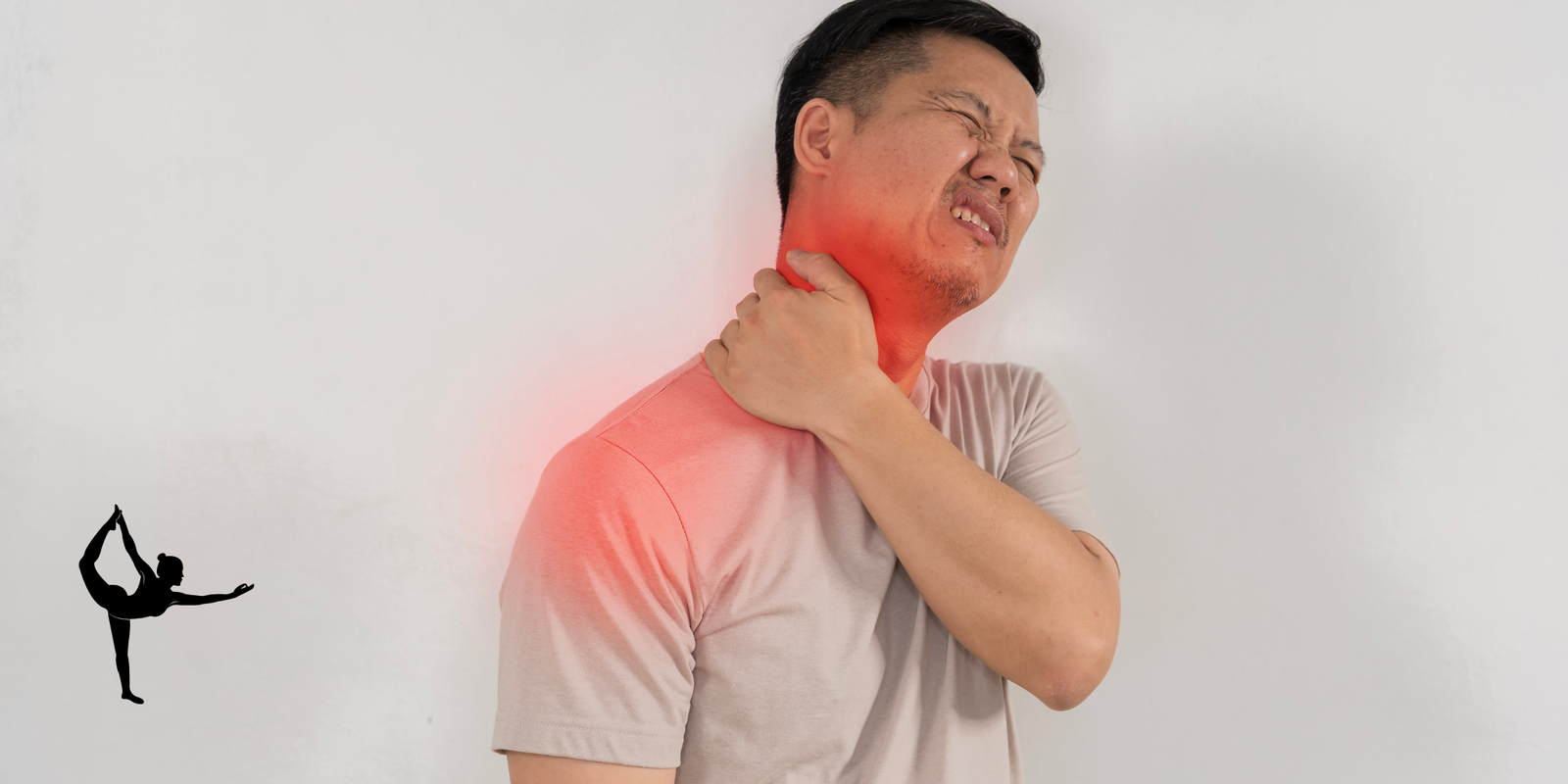
Relieves Muscular Spasms and Pain: We unknowingly hold tension in our jaws, shoulders, and lower back. The systematic body scan consciously unknots these tight muscles, providing immense relief from tension headaches, cervical stiffness, and lower back pain.
-
Enhances Emotional Resilience: By teaching the mind how to detach from physical sensations, Kayotsarg builds a buffer against emotional reactivity. It trains the practitioner to observe pain, anxiety, and external triggers objectively without immediately reacting to them, fostering profound emotional stability and clarity.