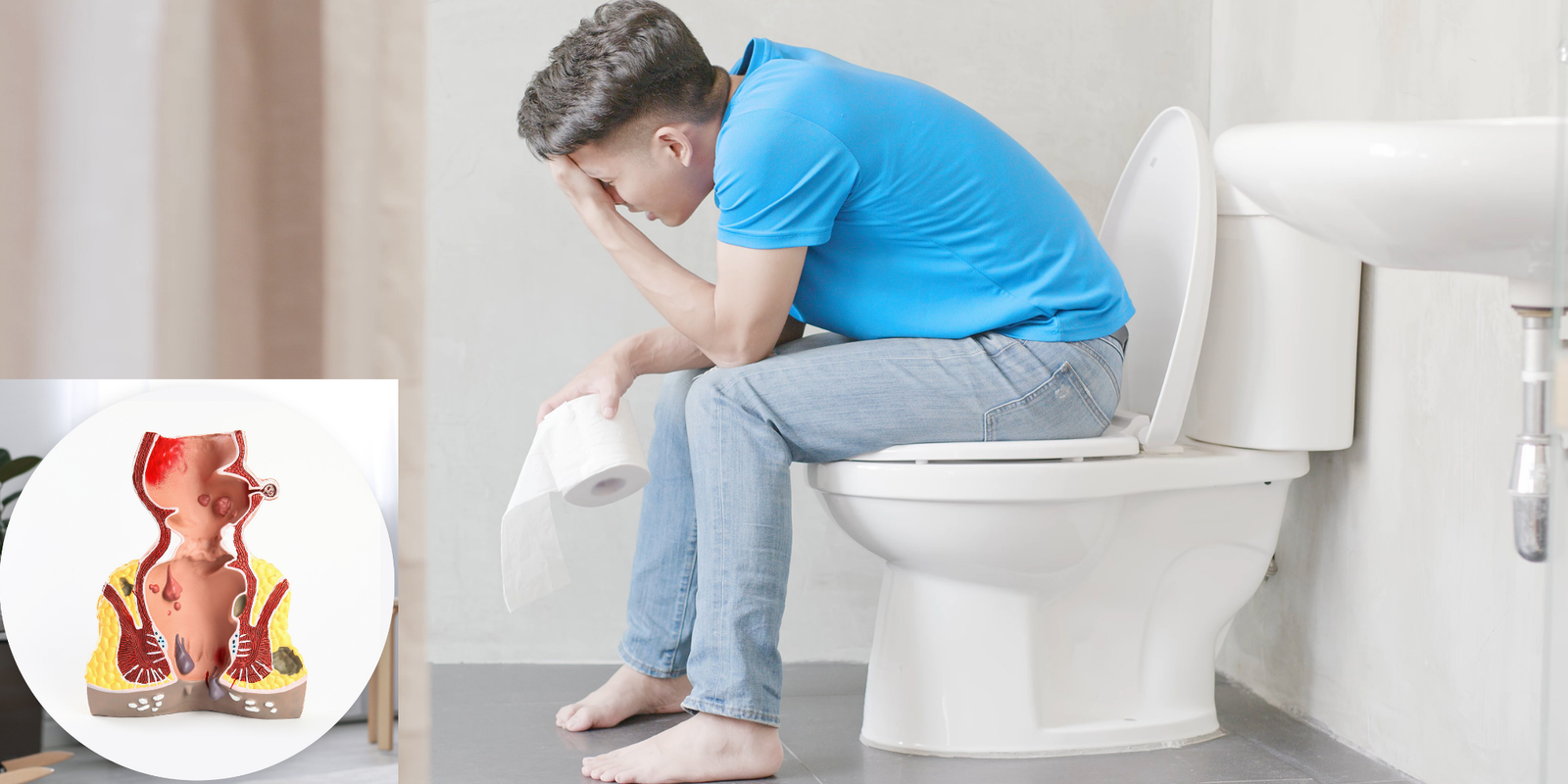
In this video, Dr. Deepak Rathi talks about Pilonidal Sinus and how ayurvedic treatments help to heal Pilonidal sinus. It is a dent in the skin that looks like a hole and usually occurs above the cleft of the buttocks, that is, the portion of the skin under which the tail bone exists, When that area gets infected, pilonidal cyst(s) formulates. It has a tendency of becoming infected and may ooze out pus as a result. Once this happens, the sinus may emit a rotten odor if not treated. People who spend the majority of their time seated are at a greater risk of suffering from pilonidal sinus. Pilonidal Sinus can be treated by 3 methods: Antibiotics, Surgery and Ayurvedic Surgery know as Kshar sutra. Drugs are not completely treated Pilonidal Sinus problems. Even after surgery, there are chances of recurrence Pilonidal Sinus. At last, Kshar sutra is the best treatment for Pilonidal Sinus. In this procedure, a medicated herbal thread used to find out the track and remove hair and heal the dent. At last dressing and Hot Fomentation on the infected area. If you facing the Pilonidal Sinus problem then you can consult Dr. Deepak Rathi for Ayurvedic Treatment and consultation.”
Understanding Pilonidal Sinus: Causes, Symptoms, and Treatments
A pilonidal sinus is a small hole or tunnel in the skin that typically occurs at the top of the buttocks crease, just over the tailbone. While it may start as a harmless dimple, it can become a painful problem if it gets infected, filling with fluid or pus to form a pilonidal cyst or abscess.
What Causes a Pilonidal Sinus? The exact cause is not always clear, but it is widely believed to be the result of loose hairs penetrating the skin. Friction and pressure—from wearing tight clothing, prolonged sitting, or vigorous activities like bicycling—force the hair down into the skin. The body treats this hair as a foreign object, triggering an immune response that creates a cyst around it. It is most common in young adult men and individuals with coarse or stiff body hair.
Common Symptoms When a pilonidal sinus becomes infected, it can be extremely uncomfortable. Common symptoms include:
-
Pain, redness, and swelling at the bottom of the spine.
-
Pus or blood draining from the opening.
-
A foul odor coming from the draining fluid.
-
Fever and nausea in severe cases.
Treatment and Prevention If the sinus is not infected, no immediate medical treatment is necessary besides keeping the area clean and dry. However, an infected pilonidal cyst requires prompt medical attention. Basic treatments range from a simple in-office procedure to lance and drain the cyst, accompanied by a course of antibiotics. Because of high recurrence chances after surgery and for chronic, recurring infections, Kshar Sutra Therapy is required.
To prevent flare-ups, doctors highly recommend washing the area daily with a mild soap, ensuring it is completely dry, avoiding prolonged periods of sitting, and removing hair from the area through shaving or laser hair removal.