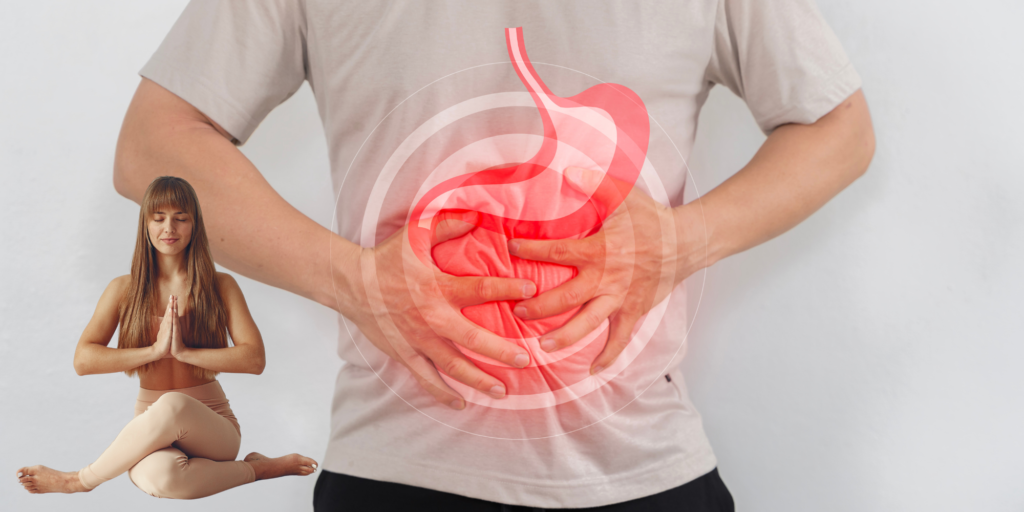
In Ayurvedic practice, a healthy digestive system is considered the cornerstone of overall well-being. When the digestive fire (Agni) is compromised, it leads to the accumulation of toxins (Ama) and various systemic imbalances. This compromised state is often felt as indigestion, bloating, acid reflux, or a heavy sensation in the stomach after meals.
While taking herbal formulations and making dietary adjustments are crucial steps toward long-term recovery, the physical stagnation in the gut must also be addressed. Integrating physical movement is non-negotiable for stimulating the metabolism. Yoga serves as a powerful complementary therapy, as specific postures not only physically massage the internal organs but also activate the parasympathetic nervous system—our body’s “rest and digest” mode.
Here are 6 highly effective yoga asanas (postures) to naturally relieve indigestion, release trapped gas, and restore your digestive fire.
1. Pawanmuktasana (Wind-Relieving Pose)
-
Why it helps: As the name suggests, this pose helps release trapped gas and stimulates bowel movements. It applies gentle pressure to the abdominal area, aiding in the reduction of belly fat and actively relieving the painful bloating often associated with severe indigestion.
-
How to practice: Lie on your back. Bend your knees and bring them to your chest. Wrap your arms around your shins and hug them close. Gently rock side to side to massage the lower back and abdomen.
2. Ardha Matsyendrasana (Half Lord of the Fishes Pose)
-
Why it helps: Twisting postures are excellent for “wringing out” the digestive tract. This pose stimulates the liver, pancreas, and intestines, promoting regular bowel movements and preventing toxins (Ama) from building up. By compressing and then releasing the abdomen, fresh, oxygenated blood is sent rushing into the digestive organs.
-
How to practice: Sit up tall, bend your left leg, and place your left heel near your right hip. Cross your right foot over your left knee and plant it on the floor. Inhale to lengthen the spine, and exhale to gently twist toward your right, hooking your left elbow outside your right knee. Hold and breathe deeply before switching sides.
3. Paschimottanasana (Seated Forward Bend)
-
Why it helps: A powerful pose for the digestive system, it deeply massages the abdominal organs, stimulates sluggish digestion, and helps calm the nervous system. Calming the mind is essential, as anxiety and stress are leading causes of acute indigestion.
-
How to practice: Sit with your legs extended straight in front of you. Inhale to lengthen your spine, and exhale to fold forward from the hips, reaching for your shins, ankles, or toes.
4. Bhujangasana (Cobra Pose)
-
Why it helps: This pose engages the core and deeply stretches the abdominal muscles, improving blood circulation to the digestive organs. Expanding the front of the body gives the stomach and intestines the space they need to function optimally.
-
How to practice: Lying on your stomach, plant your hands under your shoulders. Inhale, slide forward, and raise your chest up like a cobra. Keep your shoulders relaxed and hold the pose while taking deep abdominal breaths.
5. Balasana (Child’s Pose)
-
Why it helps: A deeply restorative pose that increases circulation to the lower body while gently compressing the abdomen to aid digestion. It also reduces stress, which is intimately tied to gut health.
-
How to practice: Kneel on the floor, bring your big toes together, and separate your knees. Exhale and lay your torso down between your thighs, extending your arms forward or resting them alongside your body. Relax and breathe into the gentle compression in your belly.
6. Baddha Konasana (Butterfly / Bound Angle Pose)
-
Why it helps: This seated posture opens the hips and stimulates the abdominal and pelvic organs. It encourages healthy blood flow to the groin and lower digestive tract, which helps facilitate the downward movement of Apana Vata necessary for proper elimination.
-
How to practice: Sit with a tall spine, bring the soles of your feet together, and let your knees drop out to the sides. Hold your feet and gently flap your knees like butterfly wings, or simply lean forward slightly for a deeper stretch.