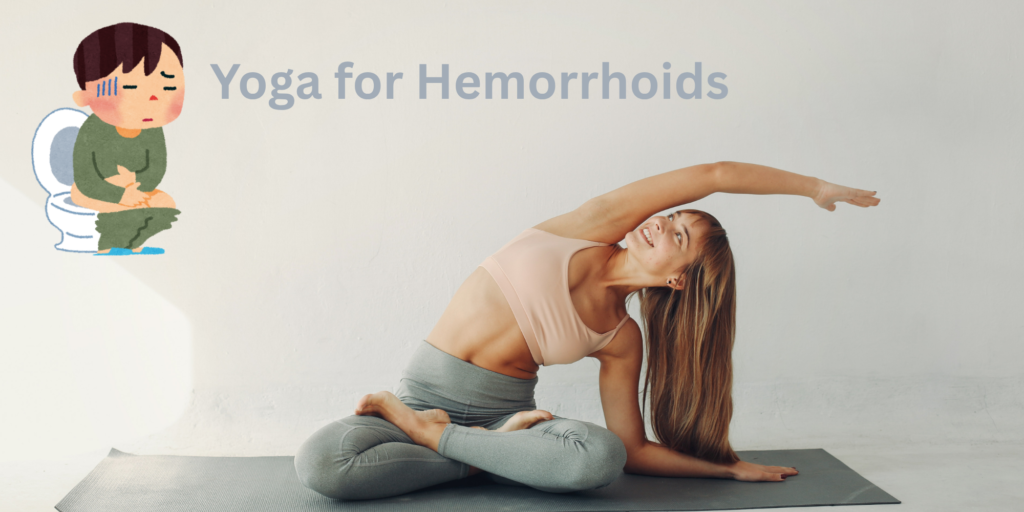
Hemorrhoids, referred to in Ayurveda as Arsha, are often the painful result of a sluggish digestive fire (Mandagni) and the aggravation of Vata dosha, which leads to chronic constipation and straining. While dietary adjustments and Ayurvedic herbs are crucial for long-term management, Yoga offers an incredible complementary approach.
Specific asanas (postures) and mudras (gestures) can help improve blood circulation in the pelvic region, strengthen the pelvic floor, and massage the abdominal organs to relieve constipation without unnecessary strain.
Here are 10 effective and soothing yoga practices to help manage hemorrhoids naturally.
1. Viparita Karani (Legs Up the Wall Pose)
-
Why it helps: This restorative inversion is one of the best poses for hemorrhoids. By elevating the legs, it reverses the downward pull of gravity, encouraging stagnant blood in the pelvic and anal region to flow back toward the heart, instantly reducing swelling and irritation.
-
How to practice: Lie on your back, scoot your hips close to a wall, and extend your legs straight up against it. Rest your arms by your sides and breathe deeply for 5–10 minutes.
2. Ashwini Mudra (Horse Gesture)
-
Why it helps: Explicitly recommended in classical yogic texts for rectal health, this practice involves the rhythmic contraction and relaxation of the anal sphincter. It strengthens the pelvic floor muscles, improves local blood circulation, and helps shrink swollen veins.
-
How to practice: Sit comfortably or lie down. Gently contract your anal sphincter muscles for a few seconds, then completely release. Repeat this 10 to 15 times in a relaxed manner, ensuring you aren’t holding your breath.
3. Pawanmuktasana (Wind-Relieving Pose)
-
Why it helps: As the name suggests, this pose helps release trapped gas and stimulates bowel movements, directly addressing the constipation that aggravates Arsha.
-
How to practice: Lie on your back. Bend your knees and bring them to your chest. Wrap your arms around your shins and hug them close. Gently rock side to side to massage the lower back and abdomen.
4. Malasana (Garland Pose / Yogic Squat)
-
Why it helps: Squatting is the natural human position for elimination. It relaxes the puborectalis muscle, allowing for smooth bowel movements and preventing the need to strain.
-
Precaution: If you have severely prolapsed or acutely painful hemorrhoids, skip this pose until the inflammation subsides.
5. Baddha Konasana (Butterfly / Bound Angle Pose)
-
Why it helps: This seated posture opens the hips and stimulates the abdominal and pelvic organs. It encourages healthy blood flow to the groin and lower digestive tract.
-
How to practice: Sit with a tall spine, bring the soles of your feet together, and let your knees drop out to the sides. Hold your feet and gently flap your knees like butterfly wings, or simply lean forward slightly for a deeper stretch.
6. Paschimottanasana (Seated Forward Bend)
-
Why it helps: A powerful pose for the digestive system, it deeply massages the abdominal organs, stimulates sluggish digestion, and helps calm the nervous system.
-
How to practice: Sit with your legs extended straight in front of you. Inhale to lengthen your spine, and exhale to fold forward from the hips, reaching for your shins, ankles, or toes.
7. Balasana (Child’s Pose)
-
Why it helps: A deeply restorative pose that increases circulation to the lower body while gently compressing the abdomen to aid digestion. It also reduces stress, which is intimately tied to gut health.
-
How to practice: Kneel on the floor, bring your big toes together, and separate your knees. Exhale and lay your torso down between your thighs, extending your arms forward or resting them alongside your body.
8. Ardha Matsyendrasana (Half Lord of the Fishes Pose)
-
Why it helps: Twisting postures are excellent for “wringing out” the digestive tract. This pose stimulates the liver, pancreas, and intestines, promoting regular bowel movements and preventing toxins (Ama) from building up.
9. Mula Bandha (Root Lock)
-
Why it helps: Similar to Ashwini Mudra, Mula Bandha involves pulling the entire pelvic floor upward and inward. This tones the muscles of the perineum and helps alleviate the stagnation of Apana Vata (the downward-moving energy responsible for elimination).
10. Anulom Vilom Pranayama (Alternate Nostril Breathing)
-
Why it helps: Stress is a major trigger for digestive issues. Anulom Vilom balances the sympathetic and parasympathetic nervous systems, calming the mind and creating a relaxed environment in the body where proper digestion and healing can take place.
Important Precautions
-
Never Strain: The golden rule for hemorrhoids is to avoid straining. If a pose causes pain or requires intense pushing, gently back out of it.
-
Acute Flare-ups: During times of active bleeding or severe pain, avoid deep squats (like Malasana) and intense core work. Stick to restorative poses like Viparita Karani and Balasana.
-
Consult a Vaidya: Always pair these practices with proper Ayurvedic dietary guidance (like staying hydrated and eating fiber-rich, warm, cooked foods) and consult an Ayurvedic physician for a personalized treatment plan.