In traditional Ayurvedic medicine, a man’s overall wellness and vitality are deeply connected to preserving Ojas (essential energy), maintaining a robust digestive fire (Agni), and nurturing the reproductive tissues (Shukra Dhatu). Modern lifestyles—often characterized by long hours of sitting, high-stress work environments, and irregular eating habits—can severely deplete these physical and mental reserves. This depletion frequently manifests as chronic fatigue, lower back pain, pelvic stiffness, and diminished stamina.
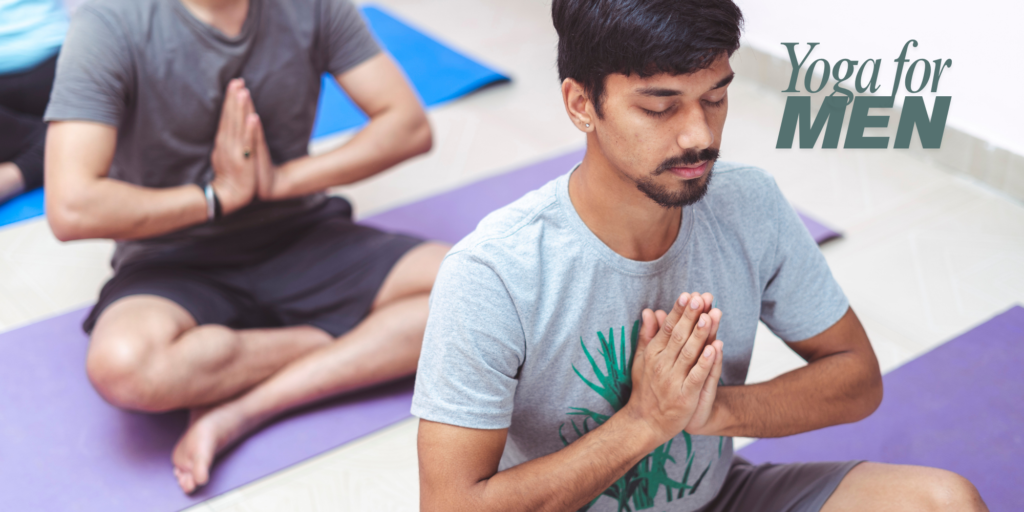
While custom Ayurvedic formulations play a pivotal role in restoring internal balance, physical conditioning through Yoga is essential for structural and energetic health. Yoga specifically targets the endocrine and nervous systems, helping to regulate stress hormones, improve cardiovascular endurance, and increase blood flow to the pelvic region.
Here are 5 highly effective yoga techniques and breathing practices designed to build stamina, relieve physical tension, and support optimal men’s wellness.
1. Virabhadrasana II (Warrior II Pose)
-
How to practice: Stand with your feet wide apart (about 3 to 4 feet). Turn your right foot out 90 degrees and your left foot slightly inward. Inhale and raise your arms parallel to the floor, palms facing down. Exhale and bend your right knee, ensuring it aligns directly over your right ankle. Keep your left leg straight and strong. Gaze powerfully over your right fingertips. Hold for 5-10 deep breaths, then switch sides.
-
Practical Benefits: Warrior II is a foundational pose for building full-body stamina and muscular endurance. It strengthens the quadriceps, calves, and ankles while deeply stretching the groins and hips. From a holistic perspective, holding this powerful stance cultivates mental resilience, focus, and a grounded sense of stability, making it an excellent antidote to mental fatigue and workplace stress.
2. Baddha Konasana (Bound Angle or Butterfly Pose)
-
How to practice: Sit on the floor with your spine tall and straight. Bend your knees, letting them drop open to the sides, and bring the soles of your feet together. Grasp your feet or ankles with your hands. You can stay sitting upright, or gently flutter your knees up and down like butterfly wings. For a deeper stretch, exhale and hinge forward at the hips.
-
Practical Benefits: Men often carry significant, unaddressed tension in their hips and pelvic region, particularly if they sit at a desk all day. This posture deeply opens the hips, inner thighs, and groin. Crucially, it stimulates blood circulation to the pelvis, prostate gland, and kidneys, supporting urogenital health and maintaining the vitality of the reproductive organs.
3. Navasana (Boat Pose)
-
How to practice: Sit on your mat with your knees bent and feet flat on the floor. Lean back slightly, maintaining a straight spine. Engage your core and lift your feet off the floor until your shins are parallel to the mat. If you have the strength, straighten your legs completely, forming a “V” shape with your body. Extend your arms forward, parallel to the floor. Hold for 5-8 breaths.
-
Practical Benefits: A strong core is vital for preventing the lower back injuries that frequently plague men as they age. Navasana intensely engages the abdominal muscles, hip flexors, and lower back. By actively compressing the midsection, it also stimulates the digestive organs, improving Agni (digestive fire), boosting metabolism, and preventing sluggish digestion.
4. Setu Bandhasana (Bridge Pose)
-
How to practice: Lie on your back with your knees bent and your feet flat on the floor, hip-width apart. Your heels should be close to your glutes. Inhale, press firmly into your feet and arms, and lift your hips toward the ceiling. Roll your shoulders under your body and clasp your hands together. Keep your thighs parallel.
-
Practical Benefits: This pose reverses the hunching posture associated with driving and computer work by opening the chest and shoulders. It simultaneously strengthens the glutes, hamstrings, and the erector spinae muscles of the lower back. Additionally, Bridge Pose encourages healthy blood flow to the pelvic region and helps regulate the central nervous system, reducing physical manifestations of stress.
5. Bhastrika Pranayama (Bellows Breath)
-
How to practice: Sit in a comfortable cross-legged position with your spine erect. Take a deep breath in, forcefully expanding your belly and chest. Immediately exhale forcefully, snapping your belly inward. Both the inhalation and exhalation should be rapid, forceful, and driven by the diaphragm—much like a blacksmith’s bellows. Do this for 10-15 cycles, then rest and breathe normally.
-
Practical Benefits: Bhastrika is a highly energizing, heat-generating pranayama. It dramatically increases oxygen saturation in the blood, instantly clearing brain fog and lethargy. By pumping the diaphragm vigorously, it tones the abdominal viscera, massages the internal organs, and actively clears blockages in the respiratory channels, leaving you feeling revitalized and focused for the day ahead.