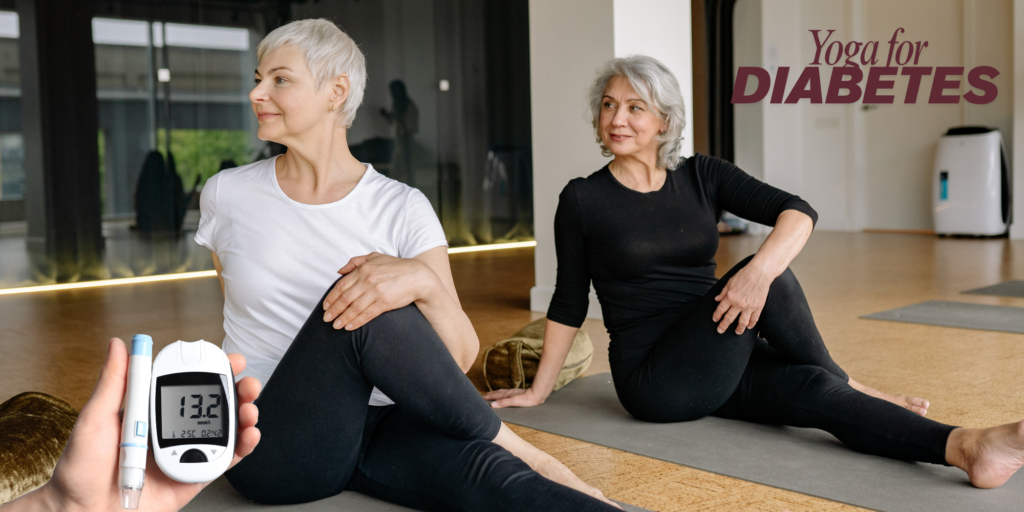
In Ayurvedic philosophy, diabetes (Madhumeha) is recognized as a complex metabolic disorder heavily influenced by a sluggish digestive fire (Mandagni) and an aggravation of Kapha and Vata doshas. When the metabolism is compromised, the body struggles to effectively produce or utilize insulin, leading to elevated blood sugar levels and the accumulation of toxins (Ama).
While classical Ayurvedic formulations and a strict low-glycemic diet are foundational to managing diabetes, integrating physical movement is absolutely vital. Yoga is exceptionally beneficial because specific postures actively compress and massage the abdominal organs, directly stimulating the pancreas and liver. Furthermore, regulating the breath through Pranayama significantly reduces stress—a primary trigger for blood sugar spikes.
Here are 6 highly effective yoga techniques and breathing practices designed to naturally support blood sugar regulation and metabolic health.
1. Mandukasana (Frog Pose)
-
How to practice: Sit comfortably on your heels in Vajrasana (Thunderbolt Pose). Form tight fists with both hands, tucking your thumbs inside. Place your fists directly on your abdomen, pressing gently on either side of your navel. Take a deep breath in, and as you exhale completely, bend forward from the hips, pressing your fists into your abdomen. Rest your chest on your thighs and look straight ahead. Hold the pose while breathing normally, then inhale to come back up.
-
Practical Benefits: This is arguably the most highly recommended asana for diabetes. The direct, intense pressure applied by the fists deeply massages the pancreas, stimulating the release of insulin. It also tones the liver and digestive organs, improving overall metabolic function and helping to reduce stubborn belly fat.
2. Ardha Matsyendrasana (Half Lord of the Fishes Pose)
-
How to practice: Sit up tall on your mat. Bend your left leg and place your left heel near your right hip. Cross your right foot over your left knee, planting it flat on the floor. Inhale to lengthen your spine, and exhale to gently twist your torso to the right, hooking your left elbow outside your right knee. Gaze over your right shoulder. Hold and breathe deeply before switching sides.
-
Practical Benefits: Twisting postures act like a wringing motion for the internal organs. This deep spinal twist actively compresses the abdomen, forcing stagnant blood out of the pancreas and liver. When the twist is released, a rush of fresh, oxygen-rich blood floods the organs, revitalizing pancreatic cells and improving their ability to secrete insulin efficiently.
3. Dhanurasana (Bow Pose)
-
How to practice: Lie on your stomach, bend your knees, and reach back with your arms to grab your ankles. Inhale deeply as you lift your chest, head, and thighs off the floor, drawing your body into the shape of a taut bow. Balance your body weight on your lower abdomen. Hold for a few seconds before exhaling to release.
-
Practical Benefits: Dhanurasana is a powerful posture for the entire endocrine system. By balancing the body’s weight entirely on the abdomen, it provides a profound massage to the digestive tract and the pancreas. It also stretches the abdominal muscles, improving digestion, relieving constipation, and reducing the lethargy often associated with diabetes.
4. Paschimottanasana (Seated Forward Bend)
-
How to practice: Sit with your legs extended straight in front of you. Inhale to lengthen your spine and raise your arms. Exhale and fold forward from the hips, reaching for your shins, ankles, or toes. Keep your spine as straight as possible and avoid rounding your shoulders.
-
Practical Benefits: This forward fold lightly compresses the abdominal viscera, aiding in liver and pancreatic stimulation. Beyond its physical benefits, it is deeply calming for the central nervous system. By activating the parasympathetic nervous system, it helps lower cortisol (stress hormone) levels, which directly prevents stress-induced glucose spikes.
5. Surya Namaskar (Sun Salutation)
-
How to practice: This is a dynamic, continuous sequence of 12 linked postures performed in rhythm with your inhalation and exhalation.
-
Practical Benefits: Diabetes management requires burning excess glucose circulating in the bloodstream. Practicing several rounds of Surya Namaskar at a brisk pace serves as an excellent cardiovascular workout. It tones the entire body, boosts the metabolic rate, improves cellular insulin sensitivity, and helps manage weight—a critical component of comprehensive diabetes care.
6. Kapalabhati Pranayama (Skull Shining Breath)
-
How to practice: Sit comfortably with an upright spine. Take a deep, natural breath in. Exhale forcefully and sharply through your nose while simultaneously pulling your navel in toward your spine. The inhalation happens passively and automatically as you relax your abdominal muscles. Repeat this rapid, pumping breath for 1 to 3 minutes.
-
Practical Benefits: Kapalabhati is a highly active, heating pranayama that physically pumps the abdominal muscles. This continuous, rhythmic contraction provides a rigorous internal massage to the pancreas, liver, and spleen. It increases the digestive fire (Agni), clears blockages in the energetic channels, and improves the efficiency of insulin production.